Start with the problem, not the tool
Explain what the tree is doing and why it concerns you. Is a branch rubbing the roof, blocking a sign, extending over a neighbour or shedding deadwood? Do you want to retain shade and habitat? Has the tree outgrown the available space? Each objective points to a different response.
Vague instructions such as “take a lot off” invite inconsistent results. A useful scope identifies which branches or canopy areas are involved, the clearance required and the form the tree should retain.
When selective pruning may be enough
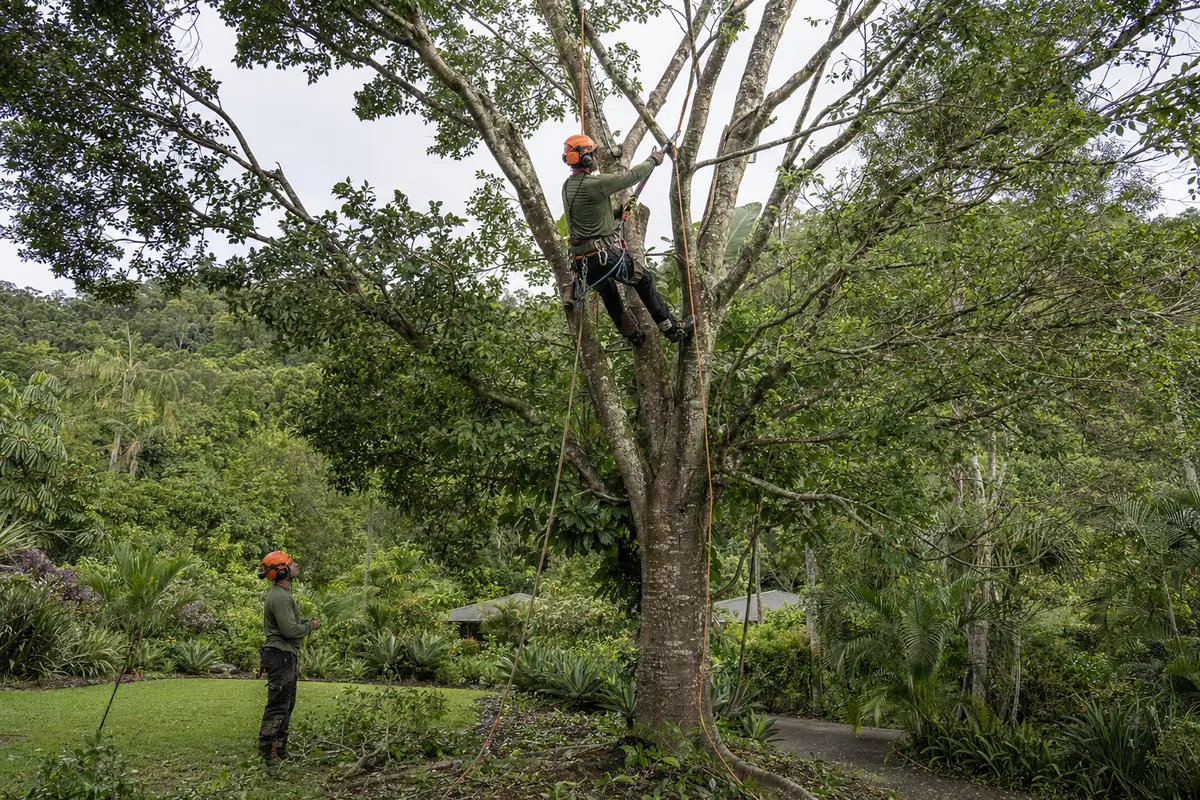
Selective pruning can remove dead, damaged, crossing or poorly attached branches and create defined clearance from structures. It may improve canopy structure without substantially changing the tree’s size. The amount and location of live foliage removed should suit the species, age and condition.
More pruning is not automatically better. Leaves manufacture energy, branches distribute load and cuts create wounds. Excessive removal can stimulate weak regrowth, expose previously shaded bark and reduce the tree’s capacity to respond to stress.
What canopy reduction is trying to achieve
Reduction shortens selected branches back to suitable laterals, decreasing height or spread while retaining a natural framework. It is different from indiscriminate topping, where branches are cut to stubs without regard to growth points or structure.
Reduction may help manage clearance or branch end weight, but it has limits. A mature tree cannot always be made permanently small without repeated intervention and poor biological consequences. The operator should explain the achievable result and likely maintenance cycle.
When removal enters the conversation
Removal may be considered when a tree has an unacceptable risk that cannot be reasonably managed, is dead or irreversibly declining, conflicts with approved construction, or is fundamentally unsuitable for the space. It should follow assessment rather than act as the default answer to ordinary leaf drop or shade.
Before removal, consider applicable planning controls, wildlife, neighbours and replacement planting. If the issue is one branch or a maintenance problem, retaining the tree with targeted work may deliver more value.
Practical checklist
✓ Describe the clearance or safety outcome✓ Ask how much live foliage is proposed for removal✓ Confirm whether the finished form will remain natural✓ Ask about regrowth and future maintenance✓ Check approvals before removalQuestions to ask before accepting the scope
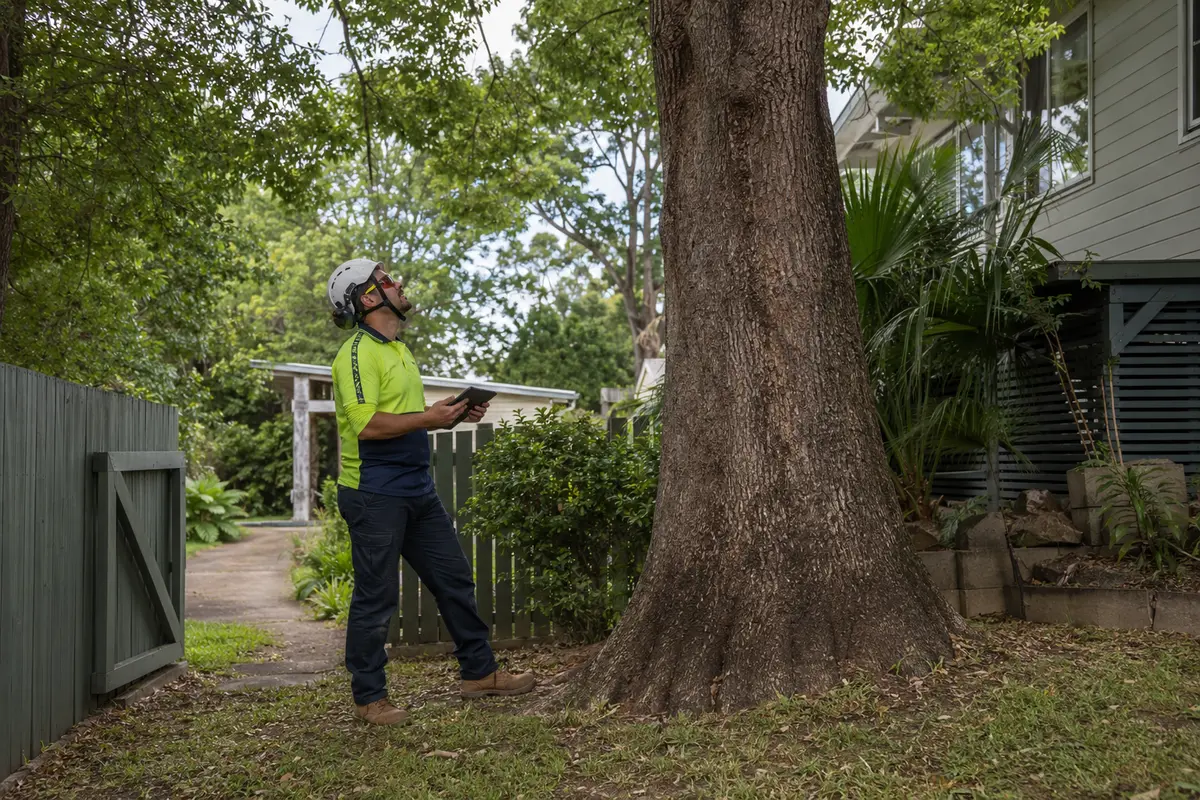
Ask the operator to point out the intended cuts or canopy zones and explain why the method suits the tree. Clarify whether deadwood removal, debris, roof clearance and stump treatment are included. For complex health or risk questions, ask what arboricultural knowledge supports the advice.
Good tree work balances the property owner’s objective with tree biology and site safety. A precise conversation before cutting is the easiest way to avoid a result that is either ineffective or unnecessarily harsh.
KEEP EXPLORING
Advice connected to local help
COMMON QUESTIONS
Questions about this topic
Will heavy pruning stop a tree growing?+
No. Many trees respond to severe cutting with vigorous shoots. Appropriate pruning manages particular objectives but does not permanently freeze a tree at one size.
Can branches be cut back to the boundary?+
Physical ability and legal responsibility are different questions. Avoid harming the tree or entering a neighbour’s property, and seek current advice for the specific situation.
How often should a tree be pruned?+
There is no universal interval. Species, age, location, objectives and previous work determine whether and when further pruning is useful.
TALK ABOUT YOUR TREE
Get advice for the actual site
Share the suburb, tree, access and what has changed so the next step can be assessed properly.
Contact us →